
Transcript
Helinä Rautavaara and Mestre Waldemar (1964)
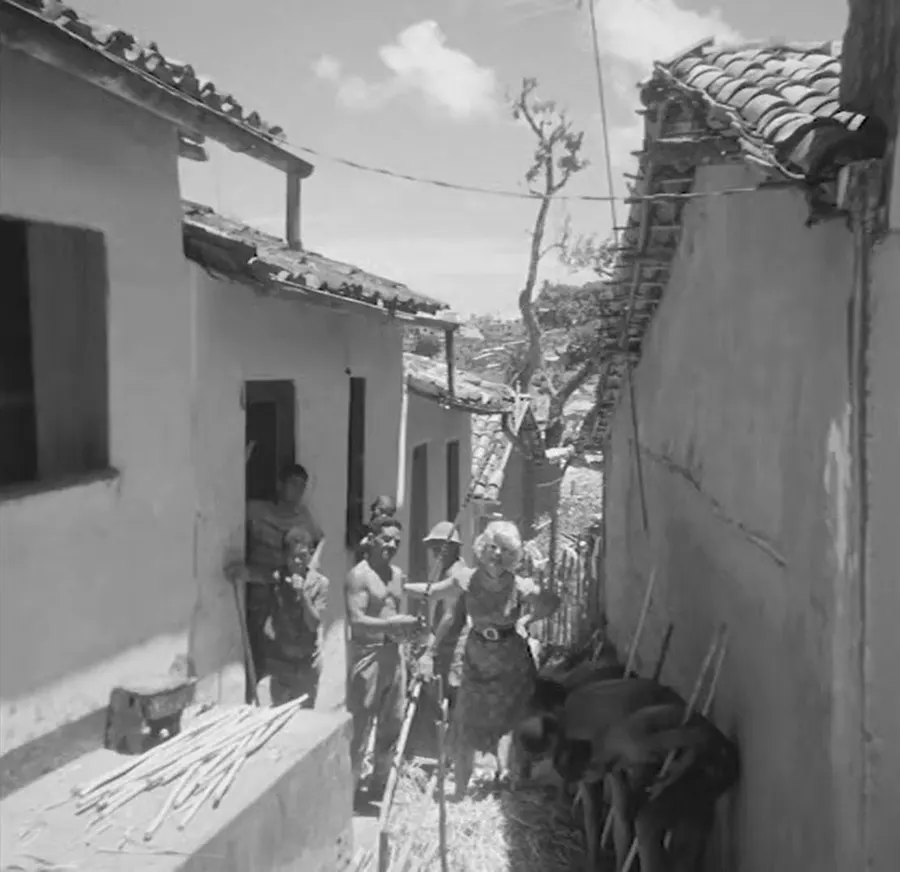
The Finnish traveller and collector Helinä Rautavaara recorded Mestre Waldemar in the first half of 1964 in Liberdade, Salvador. First a short conversation, then Waldemar sings ladainhas and corridos to the berimbau: taken from cordel booklets, about Pedro Mineiro, Vilela and Lampião, mixed with verses known from Pastinha and others.
I came across this recording a while ago but could not find an accurate transcript anywhere. So I sat down and made one myself. Here is what Waldemar says and sings, in Portuguese and in translation. Where I was not sure of a word, I checked it against older recordings and song collections, above all Waldemar’s own recording from 1951. The two corridos at the end are still missing.
- YouTube: Mestre Waldemar recorded by Helinä Rautavaara 1964 (Capoeira Archives)
- capoeirahistory.com: Helinä Rautavaara’s Living Collections
The recording
Helinä Rautavaara
Waldemar quem?
Waldemar who?
Mestre Waldemar
Waldemar Rodrigues da Paixão
Waldemar Rodrigues da Paixão
Helinä Rautavaara
Waldemar da Paixão ou Waldemar da Liberdade?
Waldemar da Paixão or Waldemar da Liberdade?
Mestre Waldemar
Eh, Waldemar do Pero Vaz
Er, Waldemar of Pero Vaz
The berimbau comes in, Waldemar sings ladainhas.
Iê, ela tem um dente de ouro
Ladainha
Original
Translation
Ela tem um dente de ouroShe has a gold toothEla tem um dente de ouro,She has a gold tooth,Foi eu quem mandei botarIt was me who had it put inEu vou rogar uma pragaI am going to lay a cursePro dente se quebrarfor the tooth to breakPorque Dela eu não me alembro,For I do not remember her,E não quero me alembrarand I do not want to rememberDaquelas horas amarguradas, ô iaiáthose bitter hours, oh iaiáCom ela eu conversavaI used to talk with herNa beira de uma praiaat the edge of a beachE um bonito luarunder a beautiful moonEla sempre me jurando,She always swore to me,Que a outro não amavathat she loved no otherEu vim da Ilha de MaréI came from Ilha de MaréJogar em Santa Ritato play in Santa RitaDuas coisas nesse mundoTwo things in this worldQue meu o coração palpitamake my heart beat fastE um berimbau vozeiroA berimbau with a loud voiceE uma mulher bonitaand a beautiful womanO senhor amigo meuSir, my friendVeja bem o meu cantarlisten well to my singingQuem é dono não ciúmaWhoever owns it is not jealousQuem não é quer ciumarwhoever does not wants to beQuem não pode com mandingaWhoever cannot handle mandingaNão carrega patuádoes not carry a patuáQuem não pode não intimaWhoever cannot should not challengeDeixa quem pode intimarleave it to whoever canSe não conhece BesouroIf you do not know BesouroNão atiça o Mangangádoes not stir up the MangangáCamaradinhoCamaradinhoRiachão tava cantando
Ladainha
Original
Translation
Riachão tava cantandoRiachão was singingRiachão tava cantando, o meu bemRiachão was singing, oh my dearNa cidade do Açuin the town of AçuQuando apareceu o negrowhen the Black man appearedDa espécie do urubulooking like a vultureChamando Riachãocalling RiachãoPra vir cantar um marteloto come and sing a marteloE Riachão arrespondeu:And Riachão answered:“Eu não estou cantando“I am not singingCom negro desconhecidowith a Black man I do not knowQue pode ser cativowho may be a captiveE andar aqui fugidoand on the run hereIsso é dar cauda a nambuThat would be giving the nambu a tailEntrada a nego enxerido”and opening the door to a meddler”Ai o diabo respondeu:Then the devil answered:“Eu sou livre como vento“I am free as the windA minha linguagem é nobremy language is nobleSou um dos mais ilustradosI am one of the most learnedQue o sol neste mundo cobrethat the sun covers in this worldEu nasci dentro da grandezaI was born into greatnessNão sai de raça pobre”I do not come from a poor race”Riachão ele perguntou:Riachão asked:“Você disse que tem ciência“You said you have knowledgeDá-me explicaçãogive me an explanationDe onde formada a chuva?What is rain made of?De que estado ela vem?From what state does it come?Se é criada aqui por pertoIs it made close byOu nos lugares além?or in places beyond?Ou nos lugares além?”or in places beyond?”O Diabo arrespondeu:The devil answered:“A água tá no estado líquido“Water is in a liquid statePor meio de abaixamentothrough the dropQue há temperatura,in temperature,Vem o resfriamentocomes the coolingEssa água é condensada,this water is condensed,Ajudada pelo ventohelped by the windOnde depois tem essa chuvawhere afterwards this rainToda a Terra ensopar,soaks the whole Earth,Por meio da rotação evaporaçãothrough rotation, evaporationTorna ao espaço voltar,it goes back up into the sky,Tem uma corrente atmosféricathere is an air currentDe um a montanha elevada”from a high mountain”Iê, é mandingueiroIê, he is a mandingueiroTorpedeiro Piauí
Ladainha
Original
Translation
Torpedeiro PiauíTorpedo boat PiauíIê governadorIê, governorSe eu fosse governadorIf I were governorSe governei essa Bahiaand governed this BahiaSete e meia da tarde, ô meu bemat half past seven in the evening, oh my dearO Itapa não saíathe Itapa would not sailNão vá se meter a piqueLest it sinkLá nas águas do Japãothere in the waters of JapanO telegrama vem da noiteThe telegram comes in the nightNovidade na BahiaNews in BahiaMarinheiro absolutoAn insubordinate sailorChegou pintando arreliacame stirring up troublePrenderam Pedro MineiroThey arrested Pedro MineiroDentro da Secretariainside the police headquartersPara dar depoimentoto give testimonyDaquilo que não sabiaabout what he did not knowO senhor amigo meuSir, my friendVeja bem o meu falarlisten well to what I sayQuem é dono não ciúmaWhoever owns it is not jealousQuem não é quer ciumarwhoever does not wants to beEu me chamo WaldemarMy name is WaldemarMas não nego meu naturalbut I do not deny where I come fromQuem me der também apanhawhoever hits me gets hit tooEu juro, medo não háI swear, there is no fearQuem não pode com mandingaWhoever cannot handle mandingaNão carrega patuádoes not carry a patuáQuem não pode não intimaWhoever cannot should not challengeDeixa quem pode intimarleave it to whoever canCamaradinhaCamaradinhaÊ, Santo Amaro
Corrido
Original
Translation
Ê, Santo AmaroÊ, Santo AmaroVou ver Lampião na moitaI am going to see Lampião in the bushesVou ver Lampião, já vouI am going to see Lampião, I am on my wayO valente Vilela
Ladainha
Original
Translation
Iê!Iê!Senhores, peço licençaGentlemen, I ask your leaveSenhores, peço licença,Gentlemen, I ask your leave,Para contar uma históriato tell you a storyO valente Vilela, ô meu bemThe brave Vilela, oh my dearTrago sempre na memóriaI always keep in my memoryÉ que lutou quinze anosHe fought for fifteen yearsSempre alcançando vitóriaalways winningMorava na Serra TortaHe lived in the Serra TortaEsse homem de perigothis dangerous manCombateu muito sargentoHe fought many a sergeantEle já tinha vencidoand had already wonAli tinha um capitão,There was a captain there,Um sujeito muito ousadoa very daring fellowDisse: “Eu vou na Serra TortaHe said: “I am going to the Serra TortaTrago Vilela amarrado”and I will bring Vilela back tied up”No outro dia bem cedoEarly the next dayMarcharam para o lugarthey marched to the placeOnde morava Vilela,where Vilela lived,O povo foi ensinarthe people showed them the wayChegou lá o capitãoThe captain got thereMandou a casa cercarand had the house surroundedCercaram ali a casaThey surrounded the houseFicaram de prontidãoand stood ready“Vilela, abre a porta, ô meu bem“Vilela, open the door, oh my dearPor ordem do capitão!by order of the captain!Você hoje sai daí,Today you come out of there,Direitinho para a prisão”straight to prison”Vilela tava em casaVilela was at homeSem nada disso saberknowing nothing of all thisDisse que vocês vão se emboraHe said they should go away“Não venham me aborrecer“Do not come and bother meResponda-me, soldado,Answer me, soldier,Se veio matar ou morrer?”did you come to kill or to die?”“Não vim matar nem morrer“I came neither to kill nor to dieTá enganado, sujeitoYou are mistaken, fellowPor ordem do delegado,by order of the police chief,Por ordem do juiz de direitoby order of the judgeVocê hoje me dá contatoday you will answer to meDas mortes que já tem feito”for the killings you have done”CamaradinhaCamaradinhaMestre Waldemar
Este ABC de Vilela, eu tirei pra Capoeira Angola em três cantigas. Por quê? Ela é muito longo. Essa história de Vilela pertence ao Ceará. Que ele era filho de Ceará. Ele é um grande valentão lá do Ceará, morava na Serra Torta. Eu lendo este livro moderno… moderninho… gostei do ABC das proezas. Então inventei de dar pra Capoeira Angola. Então dividi em três partes. Aonde cantei esta de amostra, leva.
This ABC of Vilela, I turned it into three songs for capoeira angola. Why? It is very long. This story of Vilela belongs to Ceará. He was a son of Ceará. He is a great tough guy from Ceará, he lived in the Serra Torta. Reading this modern book… a very modern one… I liked the ABC of the exploits. So I came up with giving it to capoeira angola. So I divided it into three parts. Here I sang this one as a sample, take it.
An ABC is a cordel whose stanzas begin with the letters of the alphabet in turn.
Mulé rendeira
Ladainha
Original
Translation
Ô iaiá, mulé rendáÔ iaiá, lace womanTu me ensina a fazer rendaYou teach me to make laceQue eu te ensino a jogarand I will teach you to playO jogo da capoeira, ô meu bemthe game of capoeira, oh my dearÉ melhor do que rendait is better than laceMenina de Vila BelaGirl from Vila BelaNão tem mais ocupaçãohave nothing else to doA sua vida é na janelatheir life is at the windowDando bola pro Lampiãoflirting with LampiãoLampião desceu a serraLampião came down the mountainsDeu um baile em Cajazeiraand threw a dance in CajazeiraBotou as moça formosaHe had the pretty girlsPra cantar mulé rendeirasing "Mulé rendeira"Olha lá, mulé rendeiraLook, lace-maker womanOlha lá, mulé rendáLook, lace womanTu me ensina a fazer rendaYou teach me to make laceEu ensino a jogarI will teach you to playCamaradinhoCamaradinhoCamugerê
Corrido
Still missingLyrics not transcribed yet.
Valei-me, chora seu dono
Corrido
Still missingLyrics not transcribed yet.